








Take A Look Inside Technology Driving New IR-28 Car

Curt Cavin
INDYCAR Staff Writer
JUL 31, 2026
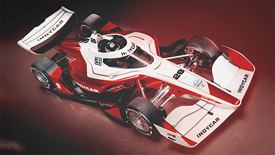
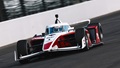
The goal of INDYCAR’s new car, the IR-28 that will debut in 2028, is to be more efficient in traffic and faster at Indianapolis Motor Speedway while integrating the safety initiatives and elevating the competitive environment the NTT INDYCAR SERIES is known for.
With the new car being up to 100 pounds lighter than the current model, improved raceability figures to come along for the ride, said Mike O’Gara, INDYCAR’s Vice President, Competition/Engineering.
“At Indy, (having less) weight is king, and at 100 pounds lighter it’s going to be faster,” he said. “Weight distribution is going to be better, too, and that also helps cars go faster. As the current car has gotten heavier over the years, much of that weight goes to the rear axle and that makes the car unstable. When there’s a lot of weight behind you, it’s like pulling a trailer and then hitting the brakes.
“But with the hybrid system being 20 pounds less, the gearbox being 25 pounds less and so on, it’s just more natural weight to the front axle, which makes a more stable, happier race car.”
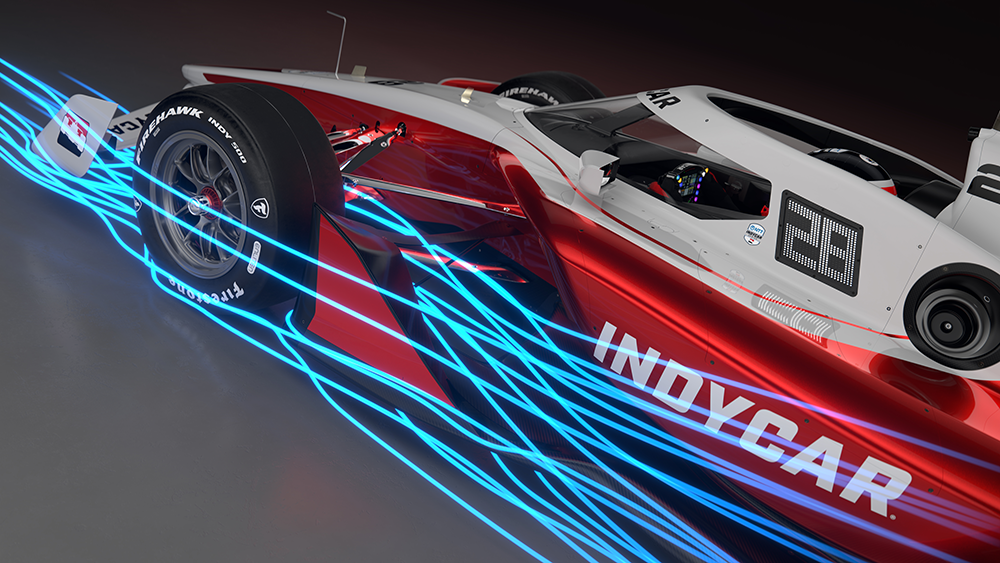
New aerodynamic pieces located behind the front wheels have been designed to redirect the air that’s currently a problem for trailing cars on oval tracks. Less air disturbance there should make it easier for overtaking cars to complete passes, making for even more exciting action.
“Right now, the aero wash behind the front wheels is super wide, and it’s really dirty air,” O’Gara said. “Look, the air is the air, and it’s got to go somewhere, but what’s being done (for 2028) is cleaning that air up, controlling it to make the wake less turbulent.
“In theory, drivers are going to be able to follow closer and when they pop out (from behind another car), they’re not going to get stuck there.”
A redesign of the front and rear wings, overall bodywork and undertrays will contribute to the aerodynamic advances that should give the cars more stability.
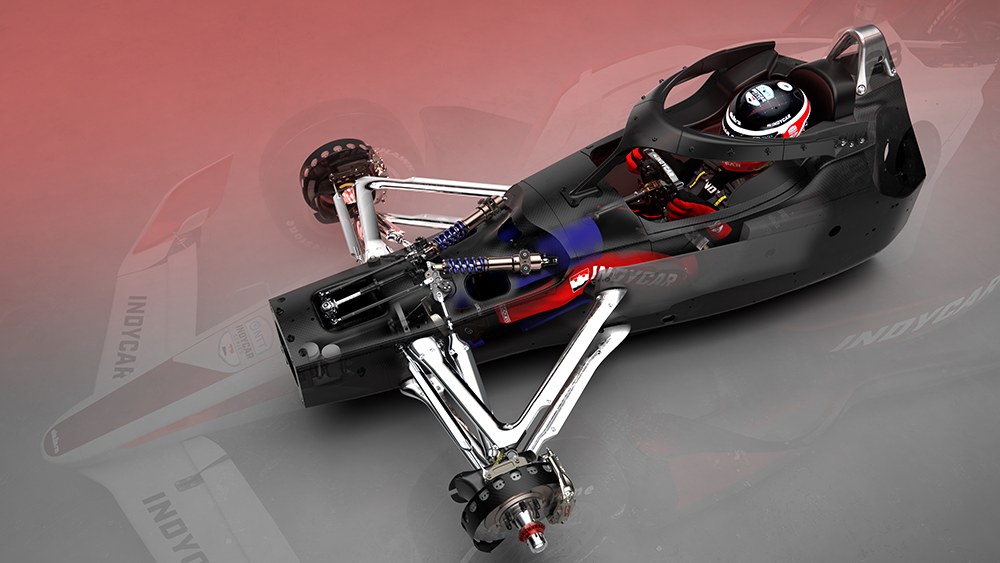
Drivers and their engineers also will have more control of a car’s balance through a new initiative related to adjustable dampers, or shocks. The current car has one damper on each of the four corners, but the new system adds center inerters that connect the front dampers together and the rear dampers together. This design is intended to control how quickly the car changes pitch, which ideally decreases the bad effect of following other cars.
“Right now, the car behaves so differently whether it’s first, third, 10th or 20th in line,” O’Gara said. “You’ve seen at (IMS) cars that are great out front are not so great as soon as they get shuffled to the back if they’ve pitted out of sequence, for example.
“In my experience as a team race engineer and strategist, if you’re starting up front you tune the car to run up front; if you’re starting in the back you tune it to run in dirty air and run more downforce. Between the new wings and these new dampers, you should be able to tune a car that works anywhere in the field. That gives you a chance to pass and move to the front.”
The NTT INDYCAR SERIES will be the only major motorsports championship to permit both front and rear third-element inertance systems, making the IR-28 one of the most advanced suspension platforms in modern motorsport.
Integrating recent safety initiatives such as the aeroscreen, which will be lighter and sleeker in the IR-28, will make the car more efficient, contributing to increased speed and improved handling. Parallel strakes atop the engine cover are designed to help settle car when it gets sideways, but they also will direct air to the rear wing in a more efficient manner.
A wider tub will make the aeroscreen fit better – and look more natural and modern.
Additional power will come from a new engine formula: 2.4-liter twin-turbocharged V6 internal combustion engines capable of producing up to 760 horsepower at the outset. Chevrolet and Honda have committed to participate under the new platform, which will deliver increased torque, power and overall performance compared to the current generation of 2.2-liter INDYCAR SERIES engines.
Hybrid technology will take another step with the IR-28, using the first battery-used Energy Storage System (ESS) in INDYCAR SERIES history. The new hybrid platform offers 14 times the energy storage capacity of the current supercapacitor-based system, and it will give drivers and teams far greater flexibility in when and how they deploy the hybrid power.
An enlarged cockpit will not only accommodate a greater range of driver heights and body types, it will improve their safety. Also, adjustments that are currently made through standard knobs and handles along the side of the tubs will soon be controlled on the steering wheel, which means there will be less for arms and legs to hit in an incident. With anti-roll bar adjustments integrated within the data system, drivers will now be able to adjust the roll characteristics of their car without taking their hands off the steering wheel. This will also make it easier to make adjustments for different portions of the race track, or for changing conditions.
The digital car position display lights return a decade after they first debuted. As this system has been integrated into the new car, it should be lighter and work more efficiently, having the ability to offer any information currently available to all teams. Lights on the rear wing end fences can alert others to track conditions or a car’s troubles.
O’Gara said the IR-28 has been designed as “future-proofed,” which means there are places under the bodywork where new initiatives can seamlessly be added later as desired.
The new car will undergo a series of validation tests beginning with this weekend’s session on the IMS road course. Different from the last car rollout in 2011, INDYCAR will use active drivers and their engineers to apply current setups to help maximize performance.
Chevrolet and Honda will provide one set of competitors each. Nick Allen, a longtime INDYCAR SERIES chief mechanic who last month became INDYCAR Officiating’s technical director, will oversee the tests.