








Scott McLaughlin Pleased to Complete Road Back To Victory Lane

Eric Smith
INDYCAR Staff Writer
8 HOURS AGO
Scott McLaughlin never doubted he would return to victory lane. The question was, how long it would take?
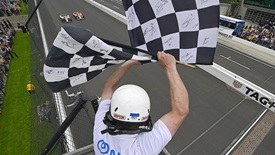
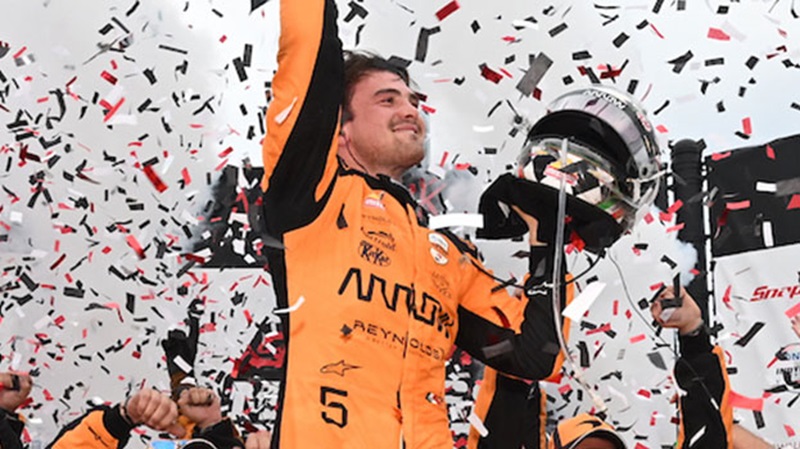
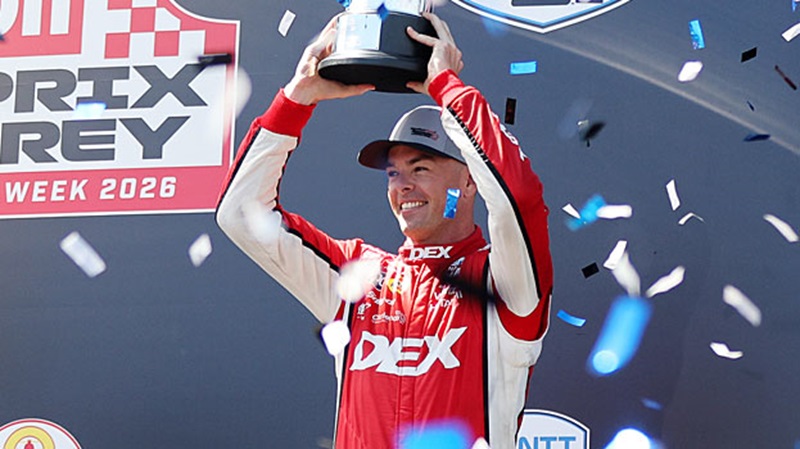
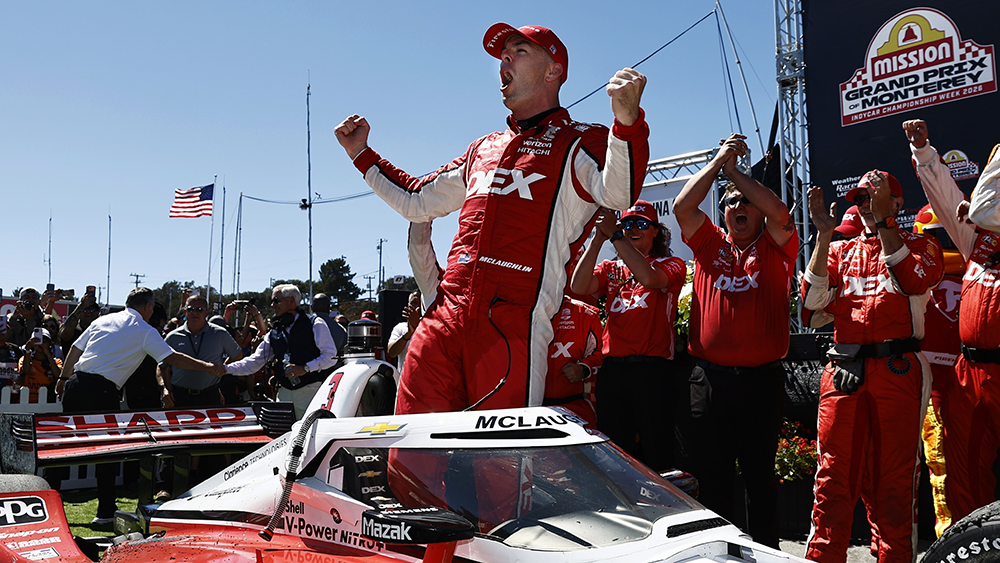
McLaughlin ended the longest winless streak of his professional racing career earlier this month in the NTT INDYCAR SERIES’ season finale at WeatherTech Raceway Laguna Seca. The victory snapped a 36-race drought that capped a season of rebuilding for the New Zealander and Team Penske.
The road back began long before the checkered flag fell at Laguna Seca. McLaughlin entered the 2025 Indianapolis 500 presented by Gainbridge fifth in the championship standings, only 14 points behind Kyle Kirkwood for second place. McLaughlin had four top-six finishes in the opening five races and appeared to be a legitimate championship contender.
Then everything changed. Series officials discovered illegal attenuators on the cars of teammates Will Power and Josef Newgarden before Indianapolis 500 qualifying. The fallout led to the departures of team president Tim Cindric, managing director Ron Ruzewski and general manager Kyle Moyer.
Moyer was McLaughlin’s strategist. Cindric and Ruzewski had been calling strategy for Newgarden and Power, respectively. The changes impacted all three cars as the organization worked to rebuild its competition structure. Team Penske eventually found its footing, winning two of the final three races of the 2025 season, one by Power the other by Newgarden, but the transition carried into the offseason.
More changes followed before the start of 2026. Jonathan Diuguid shed the interim label and became Team Penske president. He also moved into the strategist role for Newgarden, with Luke Mason transitioning to engineer. Ben Bretzman, McLaughlin’s longtime engineer since he came to the series for the 2020 season finale and full-time from 2021 onward, took on an engineering management role across all three cars.
For the first time in his NTT INDYCAR SERIES career, McLaughlin had a new race engineer in Raul Prados. He also had a new spotter in David Hunt. Cindric returned for race weekends as McLaughlin’s strategist.
Prados brought extensive sports car experience to the No. 3 Team Penske Chevrolet. He had been competing in the IMSA WeatherTech SportsCar Championship since 2017 and was part of a championship-winning program before returning to INDYCAR competition. The adjustment took time.
“This is the most competitive category I've ever been in in my life as well,” McLaughlin said. “Even more so than any of the years of Supercars and stuff. I think this category is super tough right now, super tight and you need everything to go right.”
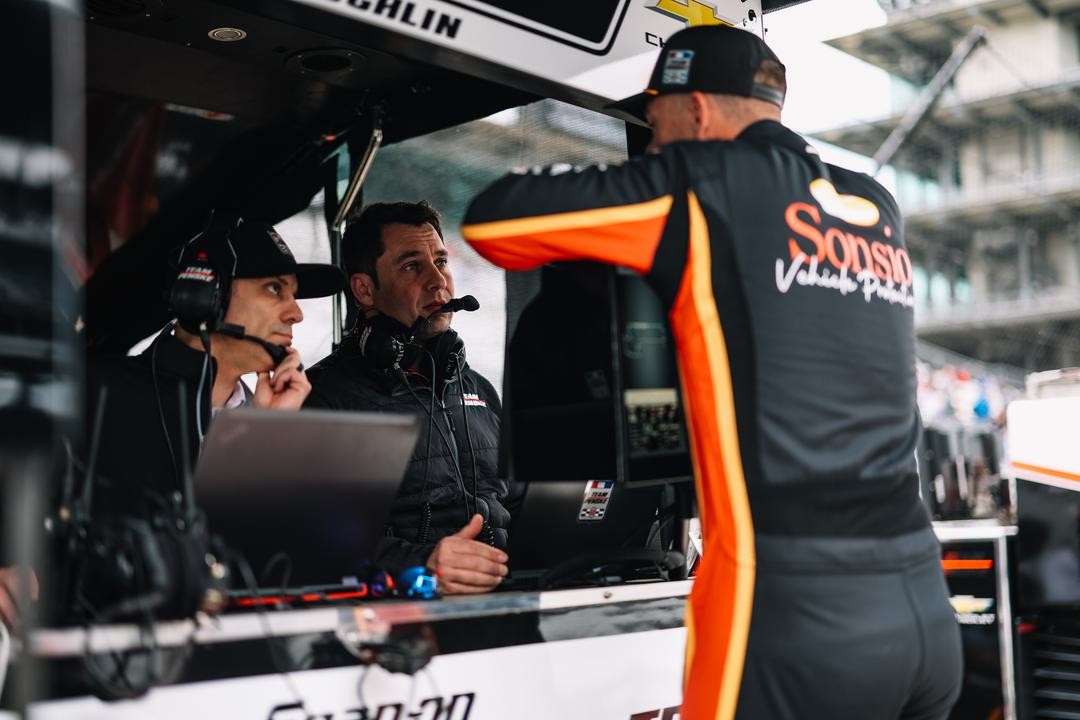
The breakthrough came with a late-June test at Mid-Ohio Sports Car Course. With limited testing opportunities, a full day’s worth of work allowed the team to fix a communication barrier.
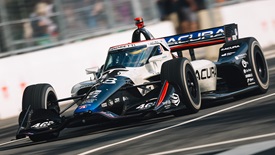
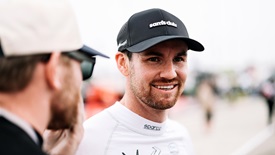
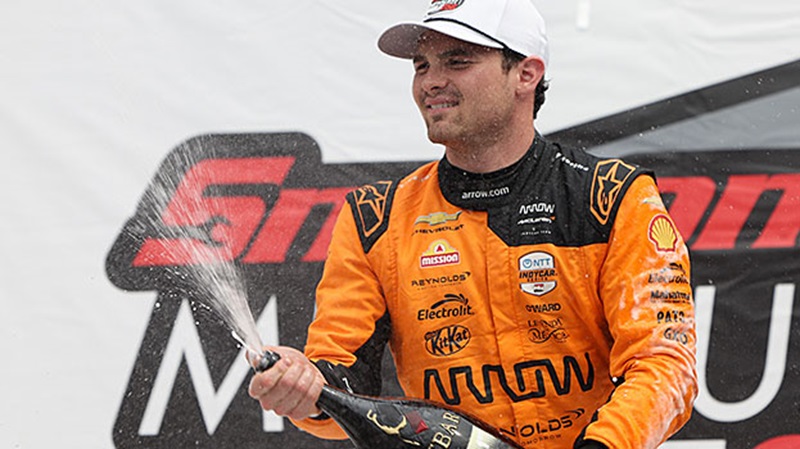
McLaughlin (photo, above) had six top-10 finishes through the first 10 races of the season entering that test and an average finish of 9.3. Over the final eight races, his average finish improved to eighth despite a 22nd-place result in Washington, where he crashed while battling Kirkwood for the lead with fewer than 20 laps remaining. Remove that result and the numbers tell an even better story. McLaughlin’s average finish over the final eight races would have been 5.5.
The improvement was not simply a matter of results. The No. 3 team began giving McLaughlin a car capable of competing at the front on different types of circuits.
McLaughlin finished fourth at Portland International Raceway and second and fourth in the doubleheader at the Milwaukee Mile before breaking through with season finale win. The run gave McLaughlin three consecutive top-four finishes to close the season and, perhaps more importantly, confidence that the pieces were finally coming together.
Perhaps the biggest piece was he and Prado’s communication.
McLaughlin knows he can be fiery on the radio. Prados was still learning how to translate those messages into changes on the car. Sometimes, McLaughlin’s fiery description of a problem led Prados to make a larger adjustment than necessary.
A car that was already capable of running at the front might need a small change to remain there. Instead, the team occasionally made a larger swing in search of the solution. They eventually found a better way to communicate.
“We went back to the old printed-off track maps, and I marked on each section of the track where it was really bad or a 10 out of 10 and put it in the truck good,” McLaughlin said.
It was a simple solution to a complicated problem. Instead of relying solely on radio conversations during the intensity of a race weekend, McLaughlin and Prados created a shared language for identifying where the car needed work and how much work it needed. That process helped turn a new driver-engineer pairing into one capable of fighting at the front. The result was visible at Laguna Seca.
The victory did more than close a difficult chapter. It provided evidence that the changes inside Team Penske were beginning to produce the results everyone expected from one of INDYCAR’s premier organizations.
“I think we're getting our way back to where we want to be,” McLaughlin said.